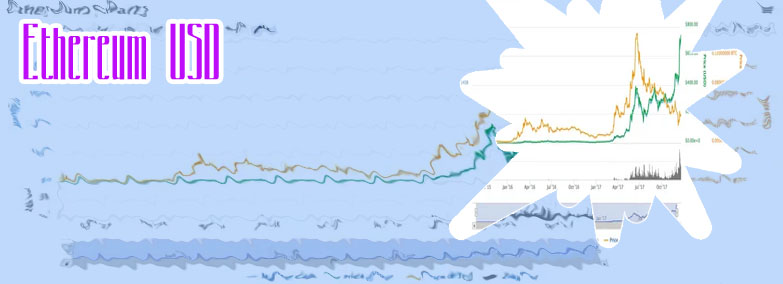
When it comes to understanding Ethereum graphs, there are several articles that can provide valuable insights and information on the topic. These articles delve into the intricacies of Ethereum graphs, shedding light on their significance and how they can be used in various applications. Whether you're a beginner looking to familiarize yourself with Ethereum graphs or an experienced developer seeking advanced knowledge, these articles are sure to offer valuable insights.
Exploring the Role of Ethereum Graphs in Decentralized Applications
Decentralized applications (DApps) have become increasingly popular in the world of blockchain technology. One key component of DApps is Ethereum graphs, which play a crucial role in enabling the decentralized nature of these applications. By providing a visual representation of the relationships between various entities on the Ethereum blockchain, graphs allow DApp developers to analyze and understand the data more effectively.
Ethereum graphs help in exploring the intricate network of transactions, smart contracts, and addresses within the Ethereum ecosystem. These graphs can reveal patterns, trends, and anomalies that may not be readily apparent through traditional data analysis methods. By utilizing graph databases and algorithms, developers can gain valuable insights into the behavior of users, the flow of assets, and the overall health of the network.
Moreover, Ethereum graphs are essential for ensuring the security and scalability of DApps. With the increasing complexity of decentralized networks, it is crucial to have tools that can efficiently handle and process vast amounts of data. Graph databases provide a flexible and efficient way to store and query interconnected data, making them ideal for DApp development.
In conclusion, exploring the role of Ethereum graphs in decentralized applications is paramount to understanding the inner workings of blockchain networks. By leveraging the power of graphs, developers can create more secure, scalable, and user-friendly DApps
Analyzing Ethereum Graph Data for Improved Decision Making
I had the pleasure of diving into the world of Ethereum graph data analysis with the insightful article I recently came across. The author does a fantastic job of breaking down complex data into actionable insights, making it easier for readers to make informed decisions.
One of the key takeaways from the article is the importance of leveraging graph data to uncover patterns and trends within the Ethereum ecosystem. By analyzing the relationships between different entities such as wallets, smart contracts, and tokens, one can gain a deeper understanding of market dynamics and behaviors.
I was particularly impressed with the section on utilizing graph algorithms to identify anomalies and suspicious activities within the network. This level of detail and precision can be crucial in detecting potential fraud or security breaches, ultimately aiding in the protection of assets and investments.
Overall, this article serves as a valuable resource for anyone looking to explore the power of Ethereum graph data analysis for improved decision-making. By harnessing the insights provided, individuals and organizations can stay ahead of the curve and make more informed choices in the ever-evolving world of cryptocurrency.
In conclusion, this article highlights the significance of incorporating graph data analysis into decision-making processes within the realm of Ethereum. By embracing this approach, stakeholders can unlock new opportunities and mitigate risks effectively.