Understanding Ethereum Gas Fees: A Comprehensive Guide
A Beginner's Guide to Ethereum Gas Fees
Ethereum gas fees have become a hot topic in the world of cryptocurrency, especially for beginners looking to navigate the decentralized finance (DeFi) landscape. Gas fees refer to the transaction fees required to successfully execute a trade or interact with a smart contract on the Ethereum blockchain. Understanding how gas fees work is crucial for ensuring a smooth and cost-effective experience in the world of Ethereum.
Here are some key points to keep in mind when dealing with Ethereum gas fees:
-
Gas Price: Gas price is the amount you are willing to pay per unit of gas for your transaction to be processed. The higher the gas price, the faster your transaction will be confirmed by miners.
-
Gas Limit: Gas limit refers to the maximum amount of gas you are willing to spend on a transaction. Setting the right gas limit is important to ensure that your transaction does not fail due to insufficient gas.
-
Gas Fees Calculator: There are online tools and calculators available that allow you to estimate the gas fees for your transaction based on the current network conditions. This can help you determine the optimal gas price and gas limit for your transaction.
-
Gas Token: Gas tokens, such as CHI or GST2, can help you save on gas fees by allowing you to pre-purchase gas
How to Reduce Ethereum Gas Fees: Tips and Tricks
Ethereum gas fees have been a significant concern for many users, especially as the network's popularity continues to grow. Fortunately, there are several tips and tricks that can help reduce these fees and make transactions more cost-effective.
One of the most effective ways to reduce gas fees is to avoid peak times on the Ethereum network. By monitoring the network congestion and choosing to transact during off-peak hours, users can significantly lower the fees associated with their transactions. Additionally, using layer 2 solutions such as rollups and sidechains can also help reduce gas fees by offloading transactions from the main Ethereum network.
Another tip for reducing gas fees is to optimize transaction parameters such as gas price and limits. By adjusting these parameters based on current network conditions, users can ensure that their transactions are processed efficiently and cost-effectively.
Additionally, bundling transactions together using protocols like Flashbots can help reduce gas fees by allowing users to submit multiple transactions in a single bundle, thereby reducing the overall cost per transaction.
In conclusion, reducing Ethereum gas fees is crucial for ensuring a cost-effective and efficient user experience on the network. By following these tips and tricks, users can minimize the impact of gas fees on their transactions and take full advantage of the capabilities of the Ethereum network.
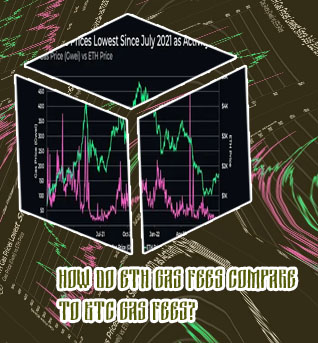
Analyzing the Ethereum Gas Fee Chart: Trends and Insights
none
Maximizing Efficiency: Strategies for Managing Ethereum Gas Fees
none